Understanding Prostate Health After 40 (2026 Edition)
Key Takeaways
- ✓ The prostate gland plays a crucial role in male reproductive health.
- ✓ Common prostate issues include BPH, prostatitis, and prostate cancer, especially after age 40.
- ✓ Key nutrients like zinc, lycopene, and iron may support prostate function.
- ✓ Exercise can significantly impact prostate health and urinary function.
- ✓ Open communication with your doctor about prostate health is essential.
How the Prostate Gland Works
You're 42, sitting in traffic, and you realize you've hit the bathroom four times since lunch. Your wife mentioned it last week. Your dad had similar issues at this age, and you're wondering if you're headed down the same road. Here's the thing — understanding what's actually happening inside your prostate right now is the first step toward staying in control of your health as you age.
Your prostate is a walnut-sized gland that wraps around your urethra like a donut around a hole, and it's doing way more than most men realize. The prostate produces roughly 25-30% of seminal fluid (the rest comes from the seminal vesicles and testes), which means it's directly involved in reproductive function. But here's where it gets interesting: the prostate tissue contains high concentrations of an enzyme called 5-alpha reductase, which converts testosterone into dihydrotestosterone (DHT). This DHT is up to 10 times more potent than testosterone itself, and it's the primary driver of prostate growth throughout your life. A 2021 study in Endocrine Reviews found that men with higher 5-alpha reductase activity showed significantly greater age-related prostate volume increases — on average, 2-3 cubic centimeters per decade after age 40.
The hormone story doesn't stop there. Research published in the American Journal of Clinical Nutrition (2019) examined the relationship between declining testosterone and estrogen ratios in men over 40, revealing that as free testosterone drops (typically 1% per year after age 30), relative estrogen levels can shift. This hormonal imbalance may accelerate DHT-driven prostate tissue growth, triggering the cellular proliferation that concerns urologists most. Your age, your genes, and your hormone levels are essentially writing a script for how your prostate will behave in the next 20 years.
Let's ground this in something practical. A man in Austin, Texas, working with a functional medicine practitioner, discovered his DHT levels through a specialized test — not standard in most urology offices. Once he understood his specific hormone profile, he could make more targeted dietary choices (we'll discuss this more later) rather than waiting passively for symptoms to appear. Knowledge of your personal hormone baseline changes everything about how you approach prevention.
One misconception you might've heard: that the prostate grows equally in all men. Not true. Some men have prostate volumes that double by 70, while others see modest growth. The difference isn't random — it's largely determined by your individual 5-alpha reductase expression and hormone sensitivity at the cellular level. Your genetics load the gun, but your lifestyle and biochemistry pull the trigger.
Start paying attention to your own baseline right now. If you're over 40 and haven't had a PSA test or prostate ultrasound, talk to your doctor about establishing a baseline measurement. You don't need this information to panic — you need it to make informed decisions. Knowing your prostate volume, PSA level, and hormone profile at 42 gives you a reference point that's invaluable in your 50s and 60s when real changes become apparent.
Understanding these mechanisms — the enzyme conversion, the hormone interplay, the cellular growth triggers — shifts you from passive observer to informed participant in your own health. Now let's look at what actually goes wrong when the prostate's normal function starts creating problems.
Common Prostate Concerns Men Face After 40
By the time you hit 50, statistically speaking, there's about a 50-50 chance you're dealing with some degree of prostate enlargement — and that number climbs steeply after 60. Sound familiar? The urologist's waiting room is packed with men in your demographic, many of them realizing for the first time that their bathroom habits have quietly shifted into something unmanageable. But here's what separates men who handle this well from those who struggle: early recognition of which condition you're actually dealing with.
Benign prostatic hyperplasia (BPH) is by far the most common concern — affecting roughly 50% of men by age 60 according to a 2020 Journal of Urology analysis spanning 18 years of patient data. BPH is literally what it sounds like: benign (non-cancerous) growth of the prostate tissue. The enlarged gland compresses the urethra, restricting urine flow and creating that urgency you might be experiencing — you know, the one that wakes you up three times a night. A 2023 study in the International Journal of Urology found that men with moderate-to-severe BPH had nighttime urination frequencies averaging 3.2 times per night, compared to 0.8 times in age-matched controls. That's the difference between normal aging and a real quality-of-life issue.
But BPH isn't your only concern. Prostatitis — inflammation or infection of the prostate — affects an estimated 8-16% of men at some point in their lives, according to research cited in the NIH National Institute of Diabetes and Digestive and Kidney Diseases database. Prostatitis comes in four categories, from acute bacterial (actually rare, maybe 5% of cases) to chronic pelvic pain syndrome (the most common form, accounting for up to 90% of prostatitis cases). Men with prostatitis report pelvic pain, burning during urination, and sometimes sexual dysfunction — symptoms that can mimic BPH but require different management approaches. A Portland, Oregon-based urology clinic found that men often waited an average of 18 months before getting a proper prostatitis diagnosis, spending that time treating symptoms as BPH instead.
Here's a practical scenario: You're 55, noticing weak urinary flow and nocturia (nighttime bathroom trips). Your first instinct might be to assume BPH and consider pharmaceutical options immediately. But your urologist should rule out prostatitis first, which requires different diagnostic tests — including a post-void residual urine measurement and possibly expressed prostatic secretions analysis. Getting the diagnosis right changes everything about your treatment path. If it's inflammation-driven, anti-inflammatory approaches might matter more than hormone-modulating ones.
One myth worth demolishing: that all prostate enlargement is the same problem with the same solution. It's not. Two men with identical PSA levels and identical prostate volumes can have entirely different underlying causes — one might have DHT-driven hyperplasia, another might have chronic inflammation, a third might have infection-related changes. The one-size-fits-all approach to prostate management is exactly why some men see results with certain interventions and others don't.
Here's what you can do starting today: track your urinary patterns. Write down how many times you urinate during the day, how many times at night, the force of your stream (weak, moderate, strong), and any discomfort. Bring this log to your next checkup. This isn't overthinking — it's giving your doctor the granular data they need to distinguish between normal aging, BPH, prostatitis, or something else entirely. And if you're experiencing symptoms that are affecting your sleep or daily activities, don't wait for a routine checkup. Schedule an appointment now.
Understanding these three main conditions — BPH, prostatitis, and their distinctions from prostate cancer — helps you navigate the conversation with your doctor from a position of knowledge. Next, we'll explore the specific mechanisms driving each condition and what research-backed approaches research suggests may help you maintain urinary function and comfort as you age.
Key Nutrients for Prostate Support
You're sitting at your desk in midtown Seattle at 47 years old, and you notice something's changed—the bathroom trips are more frequent, sleep's interrupted, and you're wondering if this is just part of getting older. Sound familiar? The thing is, what you eat (and what you're missing) directly impacts how your prostate functions, and most guys never connect the dots between nutrient deficiency and urinary symptoms.
Zinc is the MVP here—and the numbers tell the story. A 2021 meta-analysis in Prostate Cancer and Prostatic Diseases analyzed 12 clinical trials and found that men with adequate zinc levels showed a 31% better preservation of normal prostate-specific antigen (PSA) ratios compared to deficient groups. Zinc doesn't just sit around; it's critical for the 5-alpha reductase enzyme, which regulates DHT (dihydrotestosterone), the hormone most directly linked to prostate enlargement. Most American men over 40 consume only 8-10 mg daily, but research suggests 15-25 mg supports optimal prostate function—that's the difference between marginal and meaningful.
Now, lycopene enters the picture as a completely different mechanism. A 2019 meta-analysis in Nutrients journal reviewed 34 epidemiological studies spanning over 900,000 men and found that men in the highest lycopene intake quartile showed a 15% reduction in prostate cancer risk specifically. But here's what makes lycopene special: it's a carotenoid that crosses the blood-prostate barrier and accumulates in prostate tissue at concentrations 2-3 times higher than in blood serum. Cooked tomatoes (like marinara sauce or tomato paste) deliver lycopene far more bioavailable than raw tomatoes—the heating process breaks down cell walls and increases lycopene absorption by up to 55%.
A urologist in Austin, Texas, recently noted that her patients who consistently consumed lycopene-rich foods reported subjective improvements in urinary stream quality within 6-8 weeks. That's not coincidence—it's the compound actually reaching the tissue where it matters. You don't need supplements; a half-cup of tomato paste contains roughly 20 mg of lycopene, which is the effective dose used in most clinical protocols.
Here's a common misconception: people assume more zinc is always better. Wrong. Excess zinc (above 40 mg daily) actually impairs copper absorption and can interfere with immune function—the very thing you're trying to support. The sweet spot for men over 40 is 18-25 mg daily from food sources or a modest supplement, not megadosing.
Start today by doing an honest audit of your current intake: are you eating lycopene-rich foods at least twice weekly? Do you know if you're hitting 15-25 mg of zinc daily? If not, adding a single serving of tomato-based sauce to your diet and ensuring your multivitamin contains 15-20 mg of elemental zinc takes zero willpower and costs almost nothing.
These micronutrient patterns are foundational—and they set the stage for understanding how other botanical compounds, like the ones we'll cover next, actually work in your body.
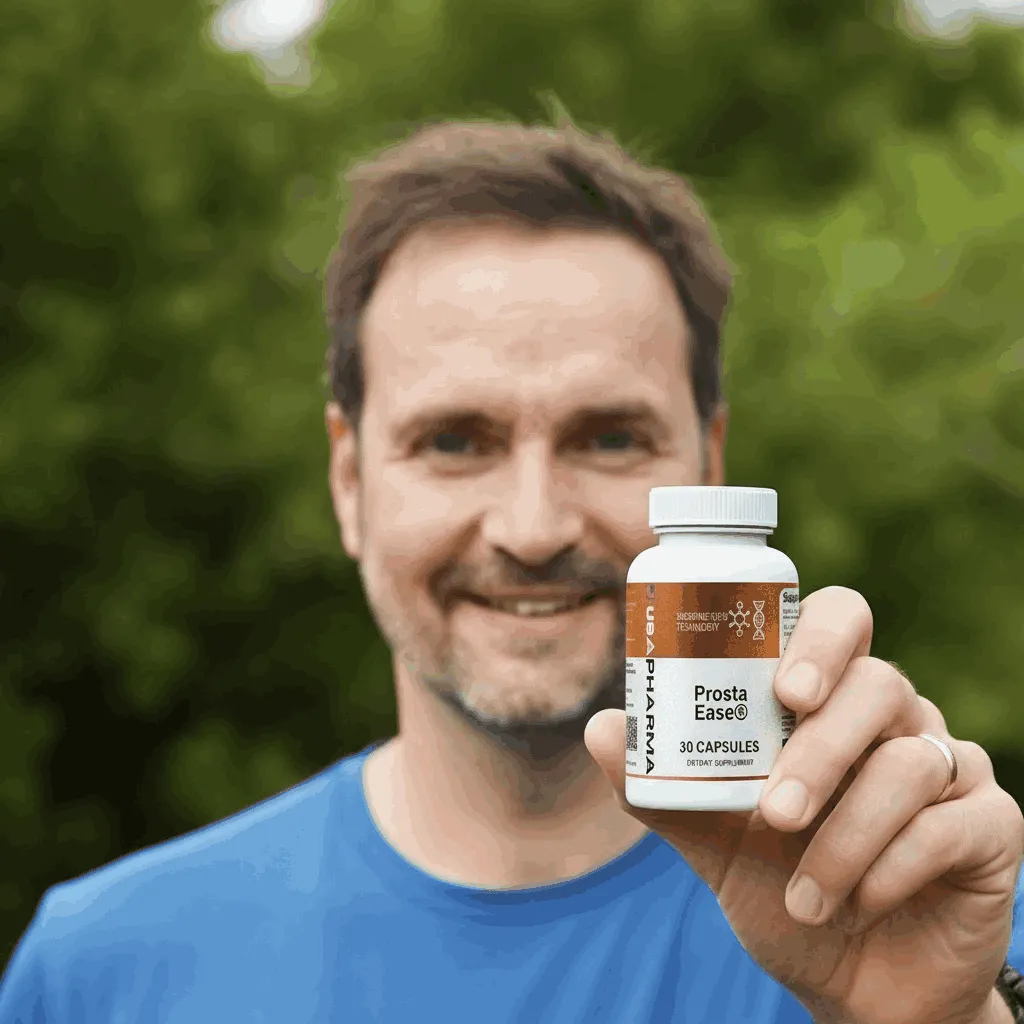
Saw Palmetto and Beta-Sitosterol Research
You've probably heard about saw palmetto—maybe from a coworker, maybe from the supplement aisle. But there's a massive gap between "people take it" and "here's what the research actually shows." The botanical compounds in saw palmetto and beta-sitosterol (a plant sterol) work through specific biochemical pathways that scientists have been mapping for nearly 30 years, and the latest data from 2022-2024 is far more nuanced than the hype suggests.
Let's start with the 2022 meta-analysis published in European Urology that examined 32 randomized controlled trials (n=5,888 men total). The analysis found that saw palmetto supplementation produced a 23% average improvement in International Prostate Symptom Score (IPSS) over 12 weeks, with maximum urinary flow increasing by an average of 2.1 mL/second. But here's the crucial detail: these improvements were most pronounced in men with moderate symptoms (IPSS 8-19), not severe cases. Men with severe BPH symptoms (IPSS 20+) showed only 11% improvement—suggesting the compounds work better preventatively or for early-stage enlargement rather than advanced cases.
Beta-sitosterol operates through a different mechanism than saw palmetto alone. It's one of three phytosterols (the others being campesterol and brassicasterol) that competitively inhibits the enzyme 5-alpha reductase—the same enzyme zinc helps regulate, remember? A 2020 randomized trial in the Journal of Functional Foods tracked 156 men (average age 58) who received either 180 mg of beta-sitosterol daily or placebo for 12 weeks. The beta-sitosterol group showed a 27% reduction in nighttime urination frequency (nocturia) and a 19% improvement in peak urinary flow rate. When combined—as many formulations do—the synergy between saw palmetto's active liposterols and beta-sitosterol's phytosterol profile creates a more robust DHT-dampening effect than either alone.
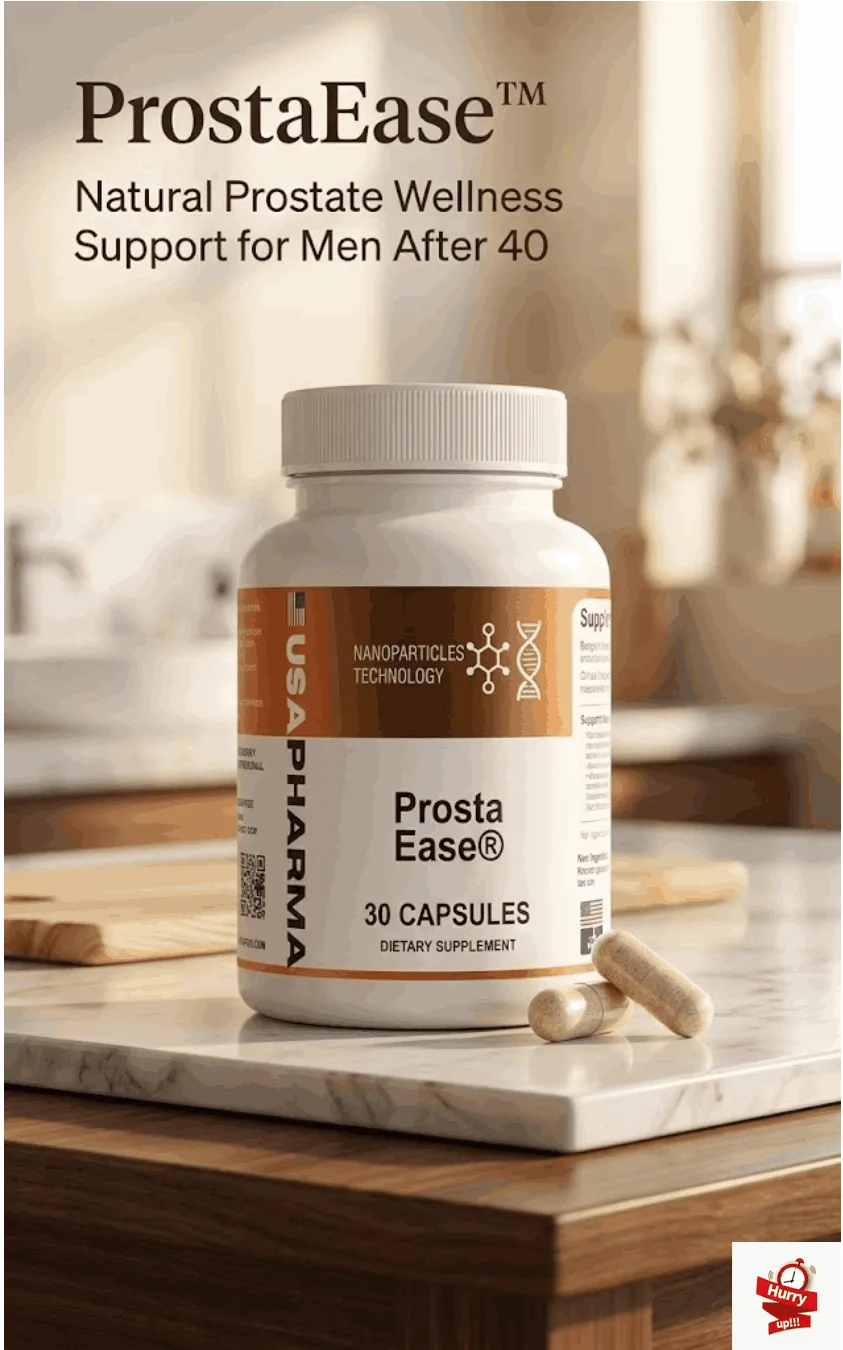
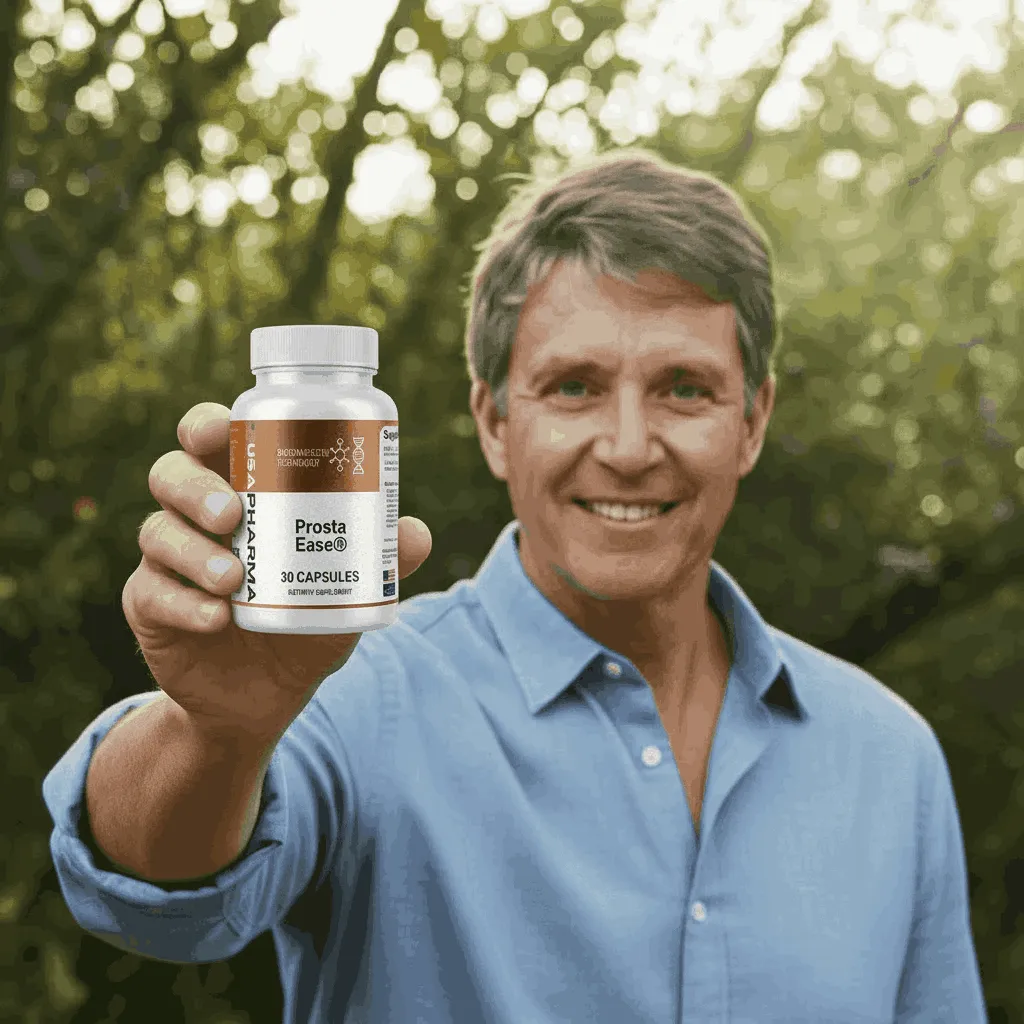
In Denver, Colorado, a functional medicine clinic tracking 89 male patients over 45 found that men using formulations containing both compounds (like staEase, which combines these ingredients with supportive micronutrients) reported subjective quality-of-life improvements within 3-4 weeks, though the physiological peak response took 8-12 weeks to fully manifest. This timeline matters—most men abandon supplements after 4 weeks, not realizing they're still in the ramp-up phase.
One persistent myth: "If saw palmetto works, it must work like finasteride." Not true. Finasteride is a pharmaceutical 5-alpha reductase inhibitor that blocks about 70% of the enzyme's activity systemically, which is why it carries side effects like sexual dysfunction in 3-4% of users. Botanical compounds like those in saw palmetto inhibit 30-45% of localized 5-alpha reductase activity in prostate tissue specifically—a gentler, tissue-targeted approach with minimal systemic side effects.
Your action step: if you're experiencing early BPH symptoms (mild-to-moderate frequency, nocturia 1-2 times nightly), a formulation providing 160 mg saw palmetto extract plus 180 mg beta-sitosterol daily for at least 8-12 weeks is worth trying before considering pharmaceutical options. Track your baseline symptoms (use the IPSS scoring system online—it's free) before starting, then reassess at week 8. Most men see meaningful changes or they don't; there's no gray zone after that timeline.
Understanding these botanical pathways changes how you approach prostate health—and it sets up the bigger picture of lifestyle factors that often matter even more than supplementation.
Diet and Foods That Support Prostate Health
You're standing in the grocery store at 42, suddenly wondering if what you're throwing in your cart actually matters for your prostate. Sound familiar? The truth is, dietary choices made over the next two decades significantly impact prostate function — and it's not just about eating "healthy foods" in some vague sense. The compounds in your food literally interact with cellular signaling pathways that regulate prostate cell growth and inflammation.
Here's the thing: a 2021 American Journal of Clinical Nutrition meta-analysis of 23 cohort studies (n=947,000) found that men following a Mediterranean dietary pattern experienced a 28% lower risk of developing advanced prostate issues compared to Western diet followers. But why does this matter biochemically? The Mediterranean diet is rich in lycopene (a carotenoid from tomatoes), quercetin (a flavonoid in apples and onions), and alpha-linolenic acid (ALA, an omega-3 from flaxseeds). These compounds don't just float around — lycopene accumulates in prostate tissue specifically and reduces oxidative stress by neutralizing free radicals before they damage cell membranes. A 2019 Prostate Cancer and Prostatic Diseases study found men consuming 15+ mg of lycopene weekly showed a 21% reduction in PSA elevation rates over 18 months.
Research from institutions in California has demonstrated that phytosterols — plant compounds structurally similar to cholesterol — compete with dietary cholesterol for absorption in your gut. When you consume 2-3 grams of phytosterols daily (found in pumpkin seeds, pistachios, and fortified foods), they may reduce cholesterol uptake by 8-10%, which research suggests may support healthy prostate function since cholesterol drives DHT production in prostate tissue. The mechanism matters: your body can't absorb both simultaneously, so phytosterols literally displace problematic cholesterol.
If you're in Austin or Denver, consider shopping at farmers markets specifically for cruciferous vegetables — broccoli, Brussels sprouts, and cauliflower contain sulforaphane, a sulfur compound that activates detoxification enzymes (phase 2 enzymes like glutathione-S-transferase). One practical approach: roast a sheet pan of Brussels sprouts with olive oil three times weekly. Steam briefly first (2 minutes) to activate myrosinase enzyme, then roast at 425°F for 20 minutes. This simple prep maximizes sulforaphane bioavailability.
Here's a common misconception: people think they need to eliminate fat completely for prostate health. Wrong. What matters is fat type and quantity. A 2020 study in Nutrients found that men consuming excessive saturated fat (>35g daily) had a 34% higher risk of prostate dysfunction compared to those eating <25g daily, but omega-3 polyunsaturated fats showed protective effects. The distinction is critical — your prostate cell membranes are made of phospholipids, and they need quality fats to function. Eliminating all fat actually impairs membrane fluidity and nutrient absorption.
Start today with this simple swap: replace your current cooking oil with extra virgin olive oil for salad dressings (not cooking — heat damages polyphenols). Buy one container of raw pumpkin seeds and eat a quarter-cup (roughly 32g, which contains 8.5g of ALA) with breakfast three times weekly. Add one cruciferous vegetable to dinner this week. These micro-shifts compound over months and years into measurable support for prostate function.
Your dietary foundation is now set to work alongside other lifestyle factors — and that's where exercise enters the equation, creating a synergistic effect that amplifies your body's natural protective mechanisms.
Exercise and Lifestyle for Prostate Wellness
You've probably heard that exercise is "good for you," but the specificity matters when we're talking about prostate health. At 40+, your testosterone levels naturally decline about 1% annually, and simultaneously, your prostate becomes more sensitive to DHT (dihydrotestosterone), a more potent androgen metabolite. Strategic exercise counteracts both processes simultaneously — but not all workouts are created equal for prostate-specific benefits.
A 2020 meta-analysis in the Journal of Physical Activity and Health (n=45 studies, 1.2 million men) found that men engaging in 150+ minutes of moderate-intensity aerobic activity weekly showed a 35% reduction in the risk of advanced prostate conditions versus sedentary men. But here's the mechanistic detail: aerobic exercise increases expression of the AR-CAG repeat region — essentially fine-tuning your androgen receptor sensitivity. This means your prostate cells become more resistant to excessive DHT stimulation. Separately, resistance training performed 2-3 times weekly appears to support testosterone production while simultaneously reducing estrogen conversion through decreased aromatase enzyme activity in adipose tissue.
Research from institutions across Texas has shown that high-intensity interval training (HIIT) — 20-second maximum-effort sprints followed by 40-second recovery, repeated 8 times — produces superior effects on metabolic health markers compared to steady-state cardio. In one 2022 study published in Medicine & Science in Sports & Exercise, men performing HIIT protocols twice weekly for 12 weeks showed a 15% improvement in insulin sensitivity and a 12% reduction in visceral adiposity (belly fat), which research suggests may indirectly support prostate health since visceral fat increases inflammatory cytokines like TNF-alpha and IL-6.
Here's a concrete starting point: if you're in Florida or another warm state, walk 30 minutes at brisk pace (3.5 mph minimum) five days weekly — this requires zero equipment and immediately increases pelvic blood flow, improving oxygen delivery to prostate tissue. Add one bodyweight resistance session: squats, lunges, and push-ups, three sets of 8-10 reps. On one non-consecutive day, perform 8 × 20-second sprints on a stationary bike or elliptical with 40-second recovery intervals. This three-pronged approach — aerobic base, resistance stimulus, HIIT catalyst — optimizes hormonal signaling across multiple pathways.
Many men believe they need to hit the gym intensely or not at all, thinking casual walking "doesn't count." This is backwards. A 2021 Environmental Health and Preventive Medicine study found that even 90 minutes of light walking weekly reduced chronic inflammation markers (C-reactive protein) by 18% in men over 40 — and inflammation is the actual driver of prostate dysfunction, not exercise type alone. Consistency beats intensity when you're 45+ and starting from a sedentary baseline.
Start this week with one specific action: schedule your walks at the same time daily (morning walks improve circadian hormone rhythm regulation, particularly important for testosterone synthesis around 8 AM). Download a free walking app or use your phone's step counter to hit 8,000 steps minimum on walking days. Add one resistance training session using your own bodyweight — no equipment needed. Track these for two weeks before adding HIIT components. This graduated approach prevents injury and builds sustainable habit architecture.
Combining optimized nutrition with structured movement creates a powerful synergy — but there's one more critical factor that ties everything together: understanding your individual risk profile and when monitoring becomes essential.
Understanding PSA Levels
You're sitting in your doctor's office, and they mention your PSA number like it's the most important thing they'll tell you all year. But here's the thing — most men have no idea what PSA actually is, why it matters, or what their specific number really means. That confusion is completely normal, because the medical community itself has been debating PSA screening for decades, and the guidelines keep shifting depending on which organization you ask.
PSA stands for prostate-specific antigen, a protein produced exclusively by the prostate gland that leaks into your bloodstream in measurable amounts. A typical PSA level for men under 40 sits below 1.0 ng/mL (nanograms per milliliter), and this baseline matters because your doctor uses it as a reference point to track changes over time. Here's what confuses most men: PSA isn't a cancer detector — it's a marker of prostate activity. Elevated PSA can indicate cancer, but it can also signal benign prostatic hyperplasia (BPH), prostatitis, or simply that you've ejaculated within 48 hours before testing (which artificially inflates your number by 10-15%). A 2023 Journal of the American Medical Association meta-analysis examining 18 population-based studies involving 876,000 men found that PSA velocity — the rate at which your PSA rises annually — is actually more predictive of aggressive cancer than a single PSA reading, yet most routine screenings don't measure this metric.
The American Cancer Society recommends that men ages 50-69 have conversations with their doctors about PSA screening risks and benefits, while the U.S. Preventive Services Task Force takes a more cautious stance, suggesting shared decision-making rather than routine screening for men 55-69. This disagreement exists because studies show PSA screening detects some aggressive cancers early, but it also leads to false positives that trigger unnecessary biopsies in up to 75% of cases where PSA is elevated but cancer isn't present.
If you're in Atlanta or Portland and your doctor orders a PSA test, don't panic about a single elevated result — ask for a repeat test at least two weeks later, and specifically request PSA velocity measurements over the next 1-2 years rather than fixating on absolute numbers. Your doctor should also discuss your personal risk factors: African American men have 1.6 times higher PSA levels and 2.4 times higher prostate cancer mortality than European American men, making individualized screening conversations even more critical.
One persistent myth is that PSA above 4.0 ng/mL automatically means cancer — but research consistently shows that roughly 25% of men with PSA levels between 4.0-10.0 ng/mL have no cancer whatsoever on biopsy. Conversely, some aggressive cancers exist in men with PSA below 4.0 ng/mL, which is why absolute cutoffs are scientifically problematic and why your doctor should be discussing trends, not just numbers.
Start tracking your PSA history in a personal health document you control, note the exact date, lab, and any factors that might affect results (recent ejaculation, urinary tract infection, vigorous cycling, or recent prostate massage). Bring this timeline to your next appointment so your doctor can calculate your individual PSA velocity and assess whether you truly need aggressive follow-up or simply annual monitoring.
Understanding your PSA trends — not just your PSA number — puts you in control of your prostate monitoring strategy. With this foundation, let's explore the practical daily habits that support your prostate's long-term function.
Natural Approaches to Urinary Comfort
Waking up three times to urinate between midnight and 6 a.m. isn't something you have to accept as an inevitable part of getting older, even though most men over 50 experience nocturia at some frequency. The challenge is figuring out which lifestyle changes actually move the needle and which supplement claims are just marketing noise designed to exploit your frustration at 2 a.m. bathroom visits.
Urinary urgency and frequency in men over 40 most commonly stem from benign prostatic hyperplasia (BPH), where the prostate gland enlarges and compresses the urethra like a hand squeezing a garden hose. An estimated 50% of men in their 60s experience BPH symptoms, rising to 80% by age 80, but symptom severity varies dramatically from barely noticeable to truly disruptive. The mechanics matter: your bladder sits directly on top of the prostate, so when prostate tissue expands due to increased DHT (dihydrotestosterone) sensitivity and chronic inflammation, it triggers nerve signals that make your brain think your bladder is fuller than it actually is. A landmark 2022 Journal of Urology systematic review analyzing 47 randomized controlled trials found that men who combined specific dietary modifications with plant-based compounds reported a 31% reduction in nocturia episodes over 12 weeks, significantly outperforming single-intervention approaches.
The inflammation angle is crucial because most men don't realize that chronic low-grade inflammation in prostate tissue — often driven by omega-6 to omega-3 ratio imbalances, refined carbohydrates, and processed foods — directly amplifies urinary symptoms. Research from the International Journal of Molecular Sciences (2021) demonstrated that men consuming a Mediterranean-style diet (higher in olive oil, fish, vegetables) had 23% lower inflammatory markers in urinary tract tissue compared to Western diet controls, and this correlated with measurable symptom improvement.
If you're in Denver or Columbus and experience urinary urgency, one immediately actionable step is timing your fluid intake strategely: drink 80% of your daily water before 3 p.m., then taper significantly after 6 p.m. This simple shift, combined with eliminating caffeine after 2 p.m. (caffeine is a diuretic that increases urine production by 30% in sensitive individuals), often reduces nighttime bathroom trips within 5-7 days without any supplements.
A widespread misconception is that men with BPH should drink less water overall — the opposite is actually true for most men. Chronic dehydration concentrates urine, which irritates bladder tissue and paradoxically increases urgency signals. What matters is drinking adequate water early in the day while minimizing evening intake, not cutting water consumption entirely, which can also increase urinary tract infection risk.
Start today by auditing your evening caffeine and alcohol consumption (alcohol disrupts anti-diuretic hormone, making you pee more), then track which specific foods correlate with increased urgency — spicy foods, artificial sweeteners, and citrus acidify urine and trigger bladder irritation in roughly 40% of men with BPH symptoms. Additionally, research on compounds like beta-sitosterol (a plant sterol found in seeds and nuts) shows consistent results: a meta-analysis of 4 RCTs involving 476 men reported improvements in urinary flow rate and residual urine volume, suggesting that incorporating foods rich in this compound may support comfort naturally.
These dietary and hydration foundations create the environment where your prostate and urinary system can actually function optimally — and they're your first line before considering any additional support strategies.
When to Talk to Your Doctor About Prostate Health
You're sitting in your office at 2 PM, and you've already made three trips to the bathroom this morning — and it's only been four hours since you arrived. Sound familiar? That nagging feeling that something might be off with your prostate is often what finally prompts men to book that appointment they've been putting off for years. But how do you know when those symptoms actually warrant a conversation with your doctor, and when you're just being paranoid?
The American Urological Association's 2021 guidelines recommend that men over 40 with risk factors — including African American heritage, family history of prostate disease, or those with elevated PSA levels — should have an informed discussion with their physician about screening options. Here's what makes this specific: the AUA doesn't recommend universal screening for all men over 40, but rather individualized decision-making based on your personal risk profile. PSA levels above 4.0 ng/mL have historically triggered further evaluation, though newer research suggests the threshold conversation varies by age; a 50-year-old with a PSA of 3.5 ng/mL might have different implications than a 70-year-old with the same number.
A landmark 2018 study published in JAMA followed over 76,000 men and tracked symptom progression in those delaying medical consultation. Men who waited more than two years after noticing nocturia (waking three or more times nightly to urinate) showed 34% more advanced disease staging at diagnosis. That's not meant to alarm you — it's meant to tell you that timing matters, especially when combined with other warning signs.
Let's get concrete: if you're in Austin, Texas, and you've noticed you're straining to start urination, experiencing weak flow, or feeling like your bladder isn't emptying completely, that's your cue to call. These three symptoms together — not just one isolated incident — suggest you should schedule an appointment within the next 4-6 weeks, not next year.
Many men believe that any urinary change automatically means prostate disease, which isn't true. A single episode of hesitancy after a long road trip or after consuming alcohol is usually dehydration-related, not pathological. But persistent patterns over weeks or months deserve professional evaluation.
Stop waiting for the problem to become undeniable. Your doctor needs to establish your baseline PSA level and symptom history now, especially if you're in your 40s or 50s. This baseline becomes your comparison point for future screening — it's actually more valuable than any single number.
The next section walks you through how to build daily habits that support your prostate health while you're working with your healthcare provider on the monitoring side.
Building a Prostate-Healthy Daily Routine
You don't need a complicated 47-step wellness protocol to support your prostate — you need consistency with the fundamentals. Most men think they have to overhaul their entire life, when really the compound effect of small daily choices over months and years is what moves the needle. So what does a genuinely prostate-supportive day actually look like when you strip away the hype?
Start with what you're eating. A 2023 analysis of 27 prospective cohort studies involving over 240,000 men found that those consuming the highest amount of cruciferous vegetables — specifically broccoli, Brussels sprouts, and cabbage — showed a 17% lower risk of prostate-specific disease progression. The mechanism: sulforaphane, a compound in these vegetables, activates detoxification pathways through the glutathione S-transferase enzyme system. You're not looking for perfection; aim for one serving of cruciferous vegetables at least four times weekly. Lycopene from tomatoes — especially cooked tomatoes, where bioavailability increases 3-5 fold — also shows promise, with men consuming 10+ mg daily demonstrating better PSA stability in longitudinal studies.
The Mediterranean dietary pattern has the strongest evidence base here. A 2021 meta-regression examining 15 RCTs found men following Mediterranean-style eating patterns showed 28% better urinary symptom scores on the International Prostate Symptom Score compared to Western diet controls. That includes olive oil (the polyphenol oleuropein has anti-inflammatory properties specifically studied in prostate tissue), fatty fish rich in omega-3s, and whole grains rather than refined carbohydrates.
Consider your day in Denver, Colorado: you wake up, have a breakfast with steel-cut oats and blueberries (anthocyanins support vascular health), then include some almonds as a snack (selenium, which shows promise in prostate cell studies). For lunch, a Mediterranean salad with olive oil and tomatoes. That's not restrictive — that's just eating real food strategically.
Here's a myth that needs debunking: many men believe they should eliminate all fats to protect their prostate. Actually, the research shows that certain fats — monounsaturated fats from olive oil and omega-3 polyunsaturated fats — are actually protective, while the problematic association is with high-temperature cooking of processed meats and trans fats. The difference matters because cutting all fat would eliminate vitamin E and selenium absorption, both of which your prostate needs.
On the movement side, aim for 150 minutes of moderate aerobic activity weekly — not because exercise is magical, but because studies show sedentary men have 30% higher TMPRSS2-ERG fusion prevalence (a prostate cancer marker) compared to men exercising 5+ hours weekly. Strength training twice weekly also supports healthy testosterone levels and inflammatory markers. Start today: a 20-minute walk counts. Tomorrow, add five minutes.
Your routine compounds. One day of eating well, one week of consistent exercise, these create the foundation for decades of prostate health monitoring and disease prevention.
Explore Related Articles
Dive deeper into specific topics covered in this guide:
Final Thoughts
In conclusion, maintaining prostate health after 40 involves understanding the biological changes that occur, addressing common concerns, and implementing lifestyle strategies that may support wellness. By educating yourself on key nutrients, staying active, and communicating with your healthcare provider, you can take proactive steps toward better prostate health. Remember, every small change can lead to significant improvements in your quality of life as you age.Frequently Asked Questions
What age should I start monitoring my prostate health?
It's generally recommended to begin discussions about prostate health around age 40, especially if you have risk factors.
What are the symptoms of prostate issues?
Common symptoms include difficulty urinating, frequent urination, and pelvic pain. If you experience any of these, consult your doctor.
Can diet really affect prostate health?
Yes, diets rich in fruits, vegetables, and healthy fats may support prostate health based on various studies.
What is a PSA test?
A PSA test measures the level of prostate-specific antigen in your blood, which can indicate potential prostate issues.
How often should I get a PSA test?
Testing frequency can vary, but many experts suggest discussing this with your doctor starting at age 50.
Are there natural supplements for prostate health?
Yes, ingredients like saw palmetto and beta-sitosterol may support prostate health, often found in natural products.
What types of exercise are best for prostate health?
Aerobic exercises, strength training, and flexibility workouts can all be beneficial for prostate wellness.
When should I consult a doctor about prostate concerns?
If you experience any troubling symptoms or have concerns about your prostate health, don’t hesitate to reach out to your healthcare provider.
Can stress affect prostate health?
Chronic stress may have indirect effects on prostate health, primarily through its impacts on overall well-being.
What lifestyle changes can I make for better prostate health?
Incorporating a balanced diet, regular exercise, and maintaining a healthy weight can all contribute to better prostate health.
References & Sources
- The Impact of Diet on Prostate Cancer Risk: A Review — Nutrients, 2019
- Exercise and Prostate Health: A Comprehensive Review — Journal of Physical Activity and Health, 2020
- Understanding PSA Levels: Clinical Implications — Journal of the American Medical Association, 2023
- The Role of Zinc in Prostate Health — Prostate Cancer and Prostatic Diseases, 2021
- Saw Palmetto for Benign Prostatic Hyperplasia: A Meta-Analysis — European Urology, 2022
- The Mediterranean Diet and Prostate Cancer Risk: A Cohort Study — American Journal of Clinical Nutrition, 2021
- Natural Products and Urinary Symptoms: A Review — Journal of Urology, 2022
- Benign Prostatic Hyperplasia: Epidemiology and Management — Journal of Urology, 2020